Russian Ethnic Group
Introduction
The Russian ethnic group in China is primarily concentrated in the Xinjiang Uygur autonomous region, particularly in areas like Yining city within the Ili Kazak autonomous prefecture. The Russian ethnic group in China is a testament to the long-standing interactions and exchanges that have taken place between these two neighboring nations over centuries. Despite being a relatively small community, they have managed to preserve their cultural identity, language, and traditions while also integrating into the broader Chinese society.
Culture
The culture of the Russian ethnic group in China is a fascinating amalgamation of Russian and Chinese elements, reflecting their unique historical journey and current living conditions.
Language
The Russian language is an integral part of the cultural identity of the Russian ethnic group in China. While Mandarin is widely spoken for communication and business purposes, Russian remains the language used within the community for cultural and familial conversations. Efforts to preserve the Russian language include the establishment of schools and cultural programs that teach the language to younger generations, ensuring its continuation.
Religion
The Russian ethnic group in China predominantly follows the Russian Orthodox Church, which serves as both a religious and cultural anchor for the community. The Orthodox Church plays a significant role in maintaining their spiritual beliefs and practices, offering services and celebrations that are deeply rooted in Russian traditions. This religious faith helps preserve their cultural identity amid the diverse religious landscape of China.
Traditions and Customs
Traditional Russian customs and practices are actively preserved within the community. Festivals such as Maslenitsa, Easter, and Christmas are celebrated with traditional foods, music, and dances. The Russian ethnic group is known for their hospitality, often inviting guests to partake in traditional feasts. These customs are a vital link to their ancestry and serve to reinforce community bonds.
Arts and Literature
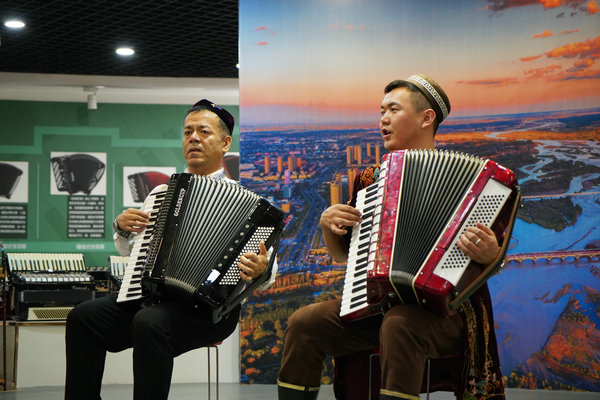
The arts and literature of the Russian ethnic group in China reflect their rich cultural heritage. Traditional Russian music and instruments, such as the accordion, are cherished and performed, especially in cultural hubs like Liuxing Street in Yining city. Literature, storytelling, and folk tales are also vital components of their cultural expression, often taught through community programs and family traditions to ensure their continuation.
Economy
Traditional Industries
Traditionally, the Russian ethnic group in China engaged in various industries such as agriculture, trade, and crafts. These industries were essential in establishing their economic foundation within the regions they settled. Farming, particularly in the fertile lands of Xinjiang, allowed them to sustain their communities and contribute to local markets.
Modern Economic Contributions
In the contemporary context, the Russian ethnic group has diversified their economic activities. They participate in tourism, leveraging their unique cultural heritage to attract visitors to areas like Yining city. The development of cultural tourism, showcasing traditional Russian customs and crafts, has become a significant source of income and economic growth for the community.
Cultural Preservation and Promotion
Efforts to preserve and promote the culture of the Russian ethnic group in China are ongoing and multifaceted. Cultural festivals, music, dance performances, and educational programs are organized to highlight the rich traditions and history of the group. The establishment of museums, like the Accordion Museum on Liuxing Street, serves as a cultural repository, safeguarding the artistic and musical heritage of the community. These initiatives not only foster cultural pride within the Russian ethnic group but also promote understanding and appreciation among the broader Chinese population and international visitors.








